
Author: Michael | Updated: July 10, 2026 | Estimated Read Time: 6 minutes
Transparency Notice: This comprehensive guide contains carefully vetted insights to help you navigate global mobility opportunities. Please read our full Disclaimer for more details.
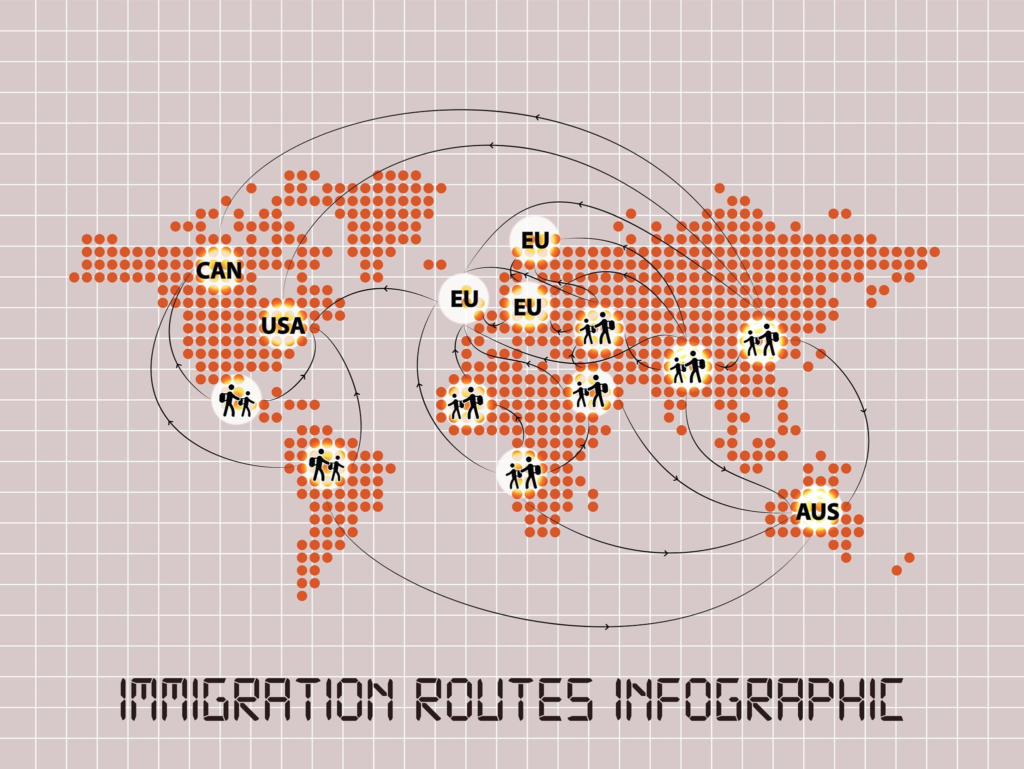
Quick Glance: Global Visa Trends
- Stricter Financial Proofs: Countries now require higher bank balances before granting study visas. For example, Canada asks for over CAD 22,895, while the UK calculates funds based on course length.
- Digital Nomad Pathways: Remote work visas are now standard in Europe and Asia, with clear income rules to separate tourists from remote professionals.
- Biometric & Automated Borders: Short‑stay travel is increasingly digital. Europe’s Entry/Exit System records biometric data at borders, and the new ETIAS system (launching in late 2026) will require a €20 pre‑travel application for most travelers.
The Modern Global Visa Landscape
Visa systems worldwide are becoming more digital and streamlined. Many governments now use points‑based or electronic intake processes instead of slow, manual paperwork. For students, professionals, and remote workers, understanding these frameworks is the foundation for moving across borders.
Your choice of visa category shapes your rights, work limits, and financial responsibilities, whether you aim for permanent residency, career growth, or short‑term study abroad.
Study Visas: A Reliable Pathway
Student visas remain one of the most trusted ways to build a legal presence in another country. Leading destinations design their student programs to attract global talent, often with options to transition into the local workforce after graduation.
Financial and Work Rules
- Canada (Study Permit): Applicants must show at least CAD 22,895 in savings, usually through a Guaranteed Investment Certificate (GIC). Students can work up to 24 hours per week during study terms.
- Australia (Subclass 500): Financial checks are strict. Students may work up to 48 hours per fortnight while classes are in session, with unlimited hours during holidays.
- United Kingdom (Student Visa): Applicants must hold maintenance funds in an approved bank account for at least 28 days before applying.
Key Requirements by Country
- Australia: Requires enrollment in a CRICOS‑registered program and passing the Genuine Student (GS) test.
- Canada: Requires a Letter of Acceptance from a Designated Learning Institution plus proof of tuition and living funds.
- United Kingdom: Operates on a points‑based system. Students need a Confirmation of Acceptance for Studies (CAS) and proof of English proficiency.
| Country | Core Student Visa Type | Average Processing Time | In-Term Work Limits |
| Canada | Study Permit | 4 to 8 weeks | Up to 20 or 24 hours per week off-campus (subject to current IRCC regulations) |
| United Kingdom | Student Visa | 3 to 4 weeks | Maximum 20 hours per week during term time |
| Australia | Subclass 500 | 4 to 6 weeks | Caps at 48 hours per fortnight during active academic terms |
From Study to Permanent Residency.
- Canada (PGWP): Offers an open work permit for up to three years, depending on program length. Work experience gained counts toward Express Entry points.
- United Kingdom (Graduate Route): Provides two years of unsponsored work for Bachelor’s and Master’s graduates, and three years for PhD holders.
- Australia (Subclass 485): Grants post‑study work rights, with extensions available for graduates in high‑demand regions.
Skilled Work Visas
- USA (H‑1B)
- UK Skilled Worker Visa
- EU Blue Card
Digital Nomad Visas
With remote work on the rise, many countries now offer Digital Nomad Visas. These allow freelancers and remote employees to live abroad legally while earning income from outside the host country.
Digital Nomad Pathways
- Spain (Digital Nomad Visa): Part of the Startup Act, this visa lets remote workers live in Spain for up to five years (with renewals). Applicants must show a steady income and either a university degree or three years of industry experience.
- Portugal (D8 Visa): Tailored for freelancers and remote employees. Requires proof of monthly income equal to four times the national minimum wage, plus valid accommodation in Portugal.
- Japan (Digital Nomad Visa): Offers high‑income professionals from visa‑exempt countries a stay of up to six months.
Visa Process
- Prepare Documents
- Meet Language & Skills Requirements
- Submit Online Application
- Biometrics & Background Checks
Conclusion: Planning for Global Mobility
Start early, translate documents, sit for language exams, and organize proof of funds well before deadlines. By treating your application as a step‑by‑step project and relying only on official portals, you set yourself up for a smooth path toward your global goals.
- Honesty Note: Content Focus is based on International Education, Point-Based Economic Migration Tracks, and Border Control Systems. Compliance Standards are Formatted and structured to satisfy the informational accuracy, user experience clarity, and transparency guidelines required by premium global advertising networks.
Official Immigration Directory
For accurate and up-to-date visa and immigration information, always refer to the official government websites:
- Canada: Immigration, Refugees and Citizenship Canada (IRCC)
- United Kingdom: UK Home Office
- Australia: Department of Home Affairs
- European Union: ETIAS Portal
Tip: Relying on official sources ensures you have the latest requirements, application steps, and updates for study, work, or travel visas.
Michael – Editor & Researcher at Suretripacademia, your dedicated resource for unlocking global mobility and international educational opportunities. WhatsApp l Facebook l TikTok
Disclaimer
This guide is for general information and education only. Immigration rules, financial requirements, and processing times can change quickly. While the content is updated for 2026, it is not legal advice. Always check the latest details directly with the official government portals before applying or making financial decisions.