
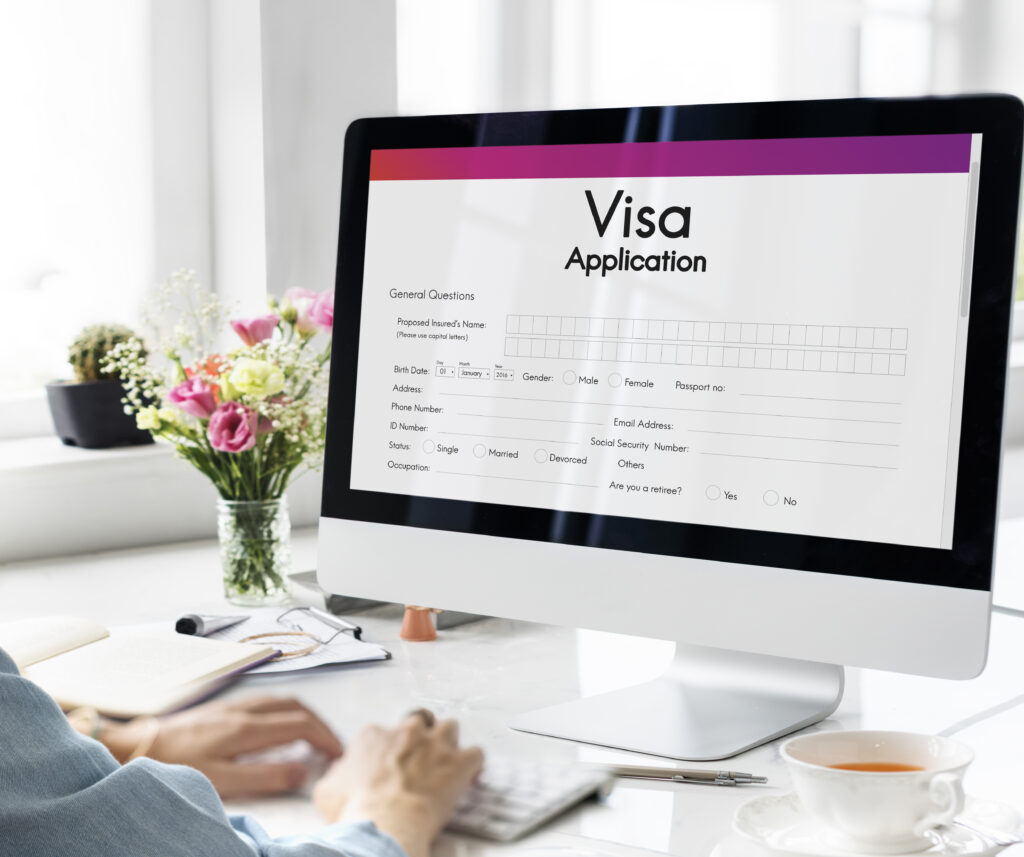
Visa approval rates vary depending on the country, visa type, and the applicant’s personal circumstances. While no country guarantees approval, some are generally considered more accessible due to clearer requirements, streamlined processes, or flexible immigration policies.
Countries that are often viewed as having relatively straightforward visa processes include places with strong international student programs, skilled worker shortages, or active digital nomad policies. These governments may provide transparent guidelines, faster processing times, and clearly defined eligibility criteria.
Factors that can influence approval rates include:
- Complete and accurate documentation
- Proof of financial stability
- Clear travel or study purpose
- Strong ties to the home country (for temporary visas)
- Meeting language or qualification requirements
It is important to understand that approval rates also depend on the specific visa category. For example, student visas in education-focused destinations may have higher approval rates compared to highly competitive work visas.
Applicants should always rely on official immigration websites for updated requirements and avoid making assumptions based on online opinions. Even in countries known for smoother processes, incomplete documentation or inaccurate information can lead to rejection.
This article provides a general overview. Detailed country comparisons and data-based approval insights can be added in future updates.